 點評
點評 微信
微信 微博
微博⭐【邓洪説法】Loss of Consortium Claims: Compensating Spouses and Partners for the Loss of Companionship, Affection, and Moral Support After a Fatality | Deng Law Center
I. Market & Regulatory Landscape
California law recognizes “loss of consortium” as a compensable harm for spouses or registered partners when a wrongful death or catastrophic injury deprives them of love, affection, comfort, companionship, or even sexual relations. Unlike economic damages (medical bills, lost wages), loss of consortium damages are considered “non-economic”—subjective and based on the quality of the marital or partnership relationship before the incident. These claims are typically brought as part of a larger personal injury or wrongful death lawsuit, and require careful documentation: marriage or partnership status, evidence of the relationship’s strength, and testimony about the daily impact of the loss. The law does not allow children, parents, or other family members to claim consortium in California; the right is limited to spouses and registered domestic partners.

II. Competitive Positioning
Many personal injury and wrongful death firms either underemphasize loss of consortium or lack the skill to present these deeply personal damages to insurance adjusters and juries. Deng Law Center stands out by sensitively developing the factual and emotional narrative behind each consortium claim, supporting it with client interviews, family photos, correspondence, and, when appropriate, expert psychological testimony. The firm’s trilingual approach is critical for immigrant clients, whose cultural background may make them reluctant to discuss marital or relationship dynamics openly.
III. Customer Behaviors
Grieving spouses or partners are often unaware that the law recognizes their unique suffering. Many focus solely on funeral costs or financial support, never realizing that loss of emotional companionship, affection, and daily support is separately compensable. In Chinese-speaking and immigrant households, cultural hesitation about discussing personal loss, or confusion about the scope of recoverable damages, leads to incomplete claims or missed opportunities for fair compensation. Prompt legal consultation helps document consortium losses before memories fade or evidence is lost.
IV. Growth Opportunities
Loss of consortium litigation is a critical and often overlooked growth area. Deng Law Center can expand its outreach by publishing bilingual educational materials explaining consortium rights, developing detailed intake protocols to capture the full scope of the spouse or partner’s losses, and collaborating with grief counselors and mental health professionals. The firm can also train staff to address cultural sensitivities while ensuring all recoverable damages are properly presented.
V. Operational & Compliance Insights
Operational success depends on early, thorough documentation: interviews with surviving spouses or partners, collection of supporting materials, and guidance on what types of evidence strengthen a consortium claim. All marketing and public education materials must clarify that results depend on the facts of each case, that consortium is limited to legal spouses and partners, and that awards are at the jury’s discretion.
VI. Conclusion with Recommended Focus
Loss of consortium claims give families a way to recover for the deep, invisible wounds caused by fatal or catastrophic events. Deng Law Center should continue to champion these claims, emphasizing bilingual education, careful documentation, and client-centered advocacy—ensuring that every spouse or partner’s loss is recognized, valued, and compensated under California law.
版权归原作者所有。如有侵权请联系我们,我们将及时处理。

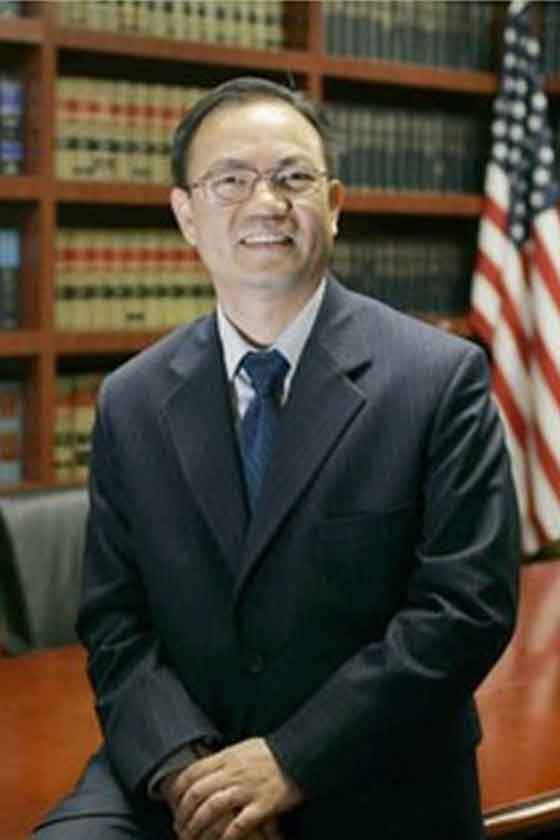
專精重大傷亡事故理賠及刑事辯護,聯合全美最強的人體傷害訴訟及專家團隊,為客戶爭取最高的賠償。
- ⭐【邓洪説法】川普政府推出全新《一个国家一个民族》美国公民入籍指南
- ⭐【邓洪説法】赔偿不设上限:加州过失致死案件经济与非经济损失的法律解读 | Deng Law Center
- ⭐【邓洪説法】When Compensation Is Not Capped: Understanding California’s Stance on Economic and Non-Economic Damages in Wrongful Death Cases | Deng Law Center
- ⭐【邓洪説法】伴侣关系丧失索赔:配偶或伴侣在致命事故后对陪伴、关爱与精神支持损失的法律补偿 | Deng Law Center
- ⭐【邓洪説法】欧盟裁定推特违规罚上亿;马斯克与川普再度联手对付欧盟
打開微信,使用 “掃描QR Code” 即可將網頁分享到我的朋友圈。
分享本頁
打開微信,使用 “掃描QR Code” 即可將網頁分享到我的朋友圈。


